
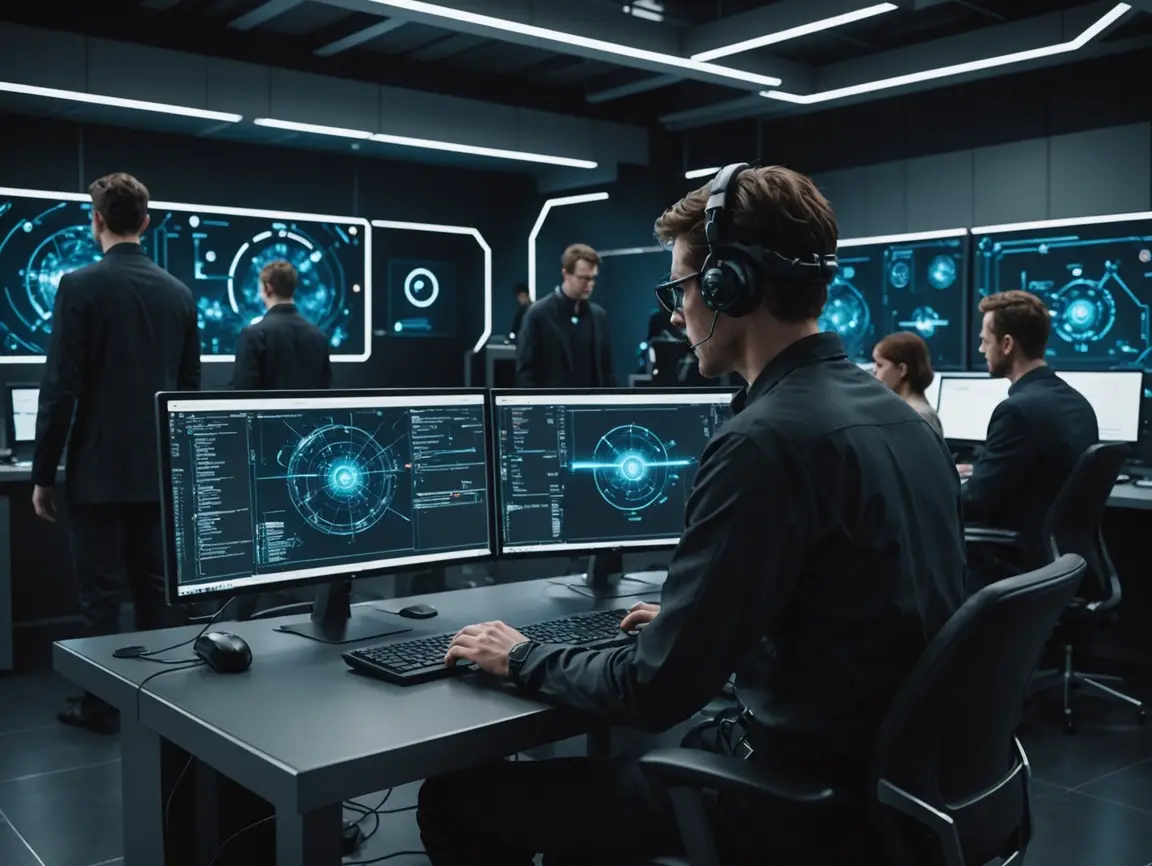
Introduction For years, software engineering followed a predictable rhythm: we wrote the logic, and tools like GitHub Copilot suggested the next line. But as we move through 2026, that rhythm has fundamentally shifted. We have entered the era of Agentic Development—a world where we no longer just write code, but orchestrate autonomous agents that plan, execute, and debug entire features across our codebases.
The “Vibe Coding” Revolution The term dominating tech circles right now is “Vibe Coding.” It describes a high-level, intent-driven development style. Instead of getting bogged down in syntax, developers describe the vibe and functional requirements of a feature in natural language. Specialized AI agents—like those found in Cursor, Windsurf, and Claude Code—then handle the implementation, unit testing, and even the initial deployment.
Why Agentic Workflows are Different Unlike the chatbots of 2024, 2026’s AI agents are autonomous. They don’t just talk; they do.
- Self-Correction: If an agent writes a PHP script that fails a linting test, it reads the error and fixes itself before you even see the code.
- MCP Integration: Using the Model Context Protocol (MCP), these agents now have “eyes” on your entire system—your Google Drive docs, your Slack conversations, and your local databases.
- Multi-Agent Teams: You can now spawn a “Lead Agent” to coordinate sub-agents: one for the Flutter frontend and one for the SQL backend, ensuring they stay perfectly synced.
The Verdict The barrier between “idea” and “shipped product” has never been thinner. For the modern engineer, success in 2026 isn’t about how fast you can type—it’s about how well you can orchestrate your AI team.